
The Great Ocean Road is the most iconic coastal drive in Australia, with thousands of visitors every year. It’s famous for its stunning coastline, dramatic cliffs and incredible views and also offers a chance to see Australian wildlife in their natural habitat. One of the most common questions travelers ask is: Can you see kangaroos on the Great Ocean Road? The answer is yes!
See Kangaroos on the Great Ocean Road
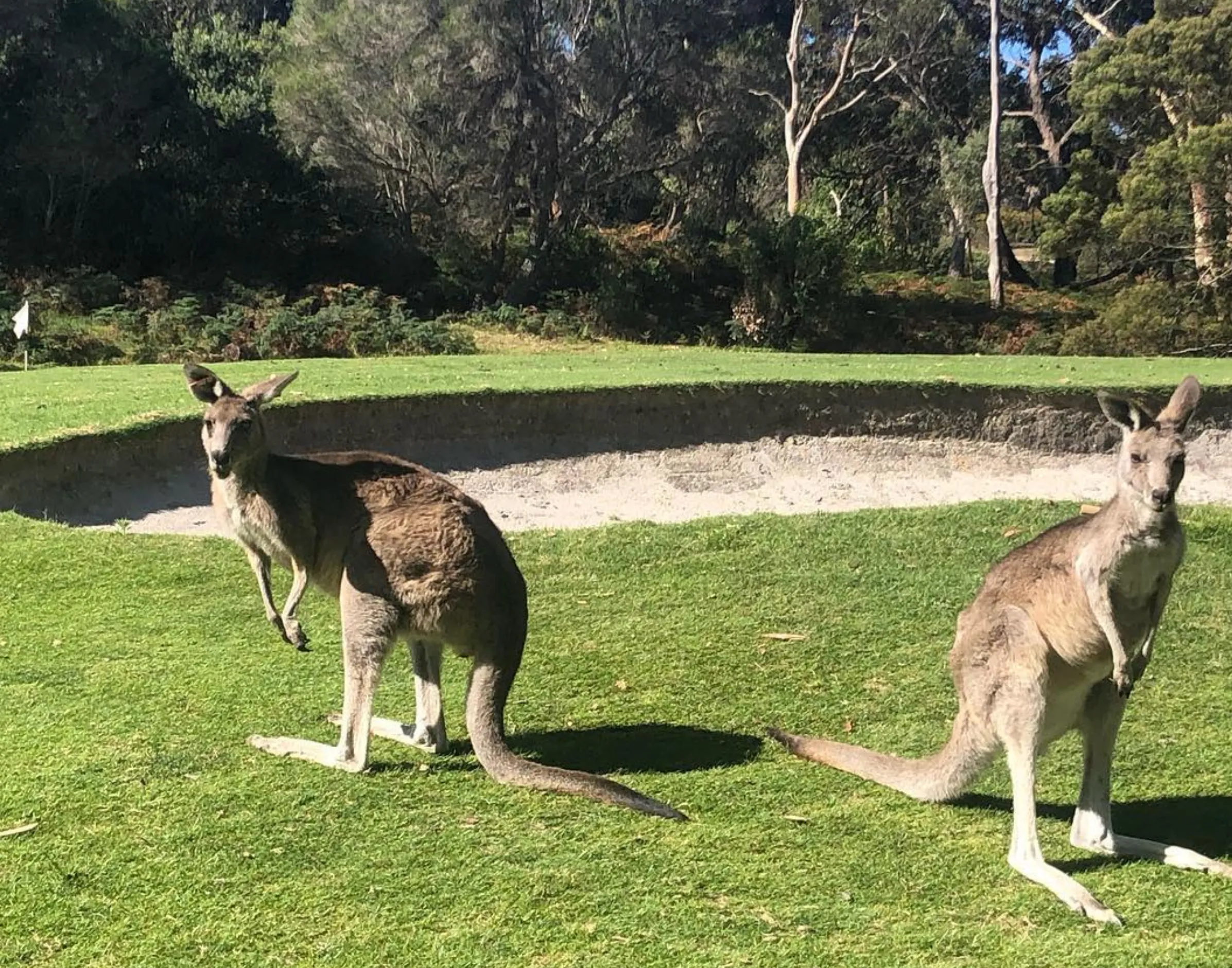
Kangaroos are native to Australia and can often be seen in the wild along this stretch of road. While they are more common in the early morning or late afternoon, here are the places where you can increase your chances of spotting them:
- Anglesea Golf Club & Anglesea Golf Course – This golf course is famous for its kangaroos, including bigger roos and mobs of roos. You can take a guided tour to see them up close in their natural environment, it’s a great stop on your Great Ocean Road day trip.
- Tower Hill Wildlife Reserve – Located near Warrnambool, this reserve sits in an extinct volcano and is home to plenty of Australian wildlife, including kangaroos, emus and red-necked wallabies. Many Great Ocean Road day tours stop here.
- Great Otway National Park & Cape Otway – Famous for its ancient rainforest and amazing creatures, kangaroos can be seen grazing in open areas. The Cape Otway Lightstation has stunning views and is a great spot to see koalas in the eucalyptus trees. A one day Great Ocean Road tour often includes this iconic stop.
- Aireys Inlet and Bells Beach – These coastal route stops are famous for their beautiful beaches, famous surfing beaches and occasional kangaroo sightings, especially early morning. If you’re on a Great Ocean tour from Melbourne, these are a must-see.
- Port Campbell National Park & Port Campbell – While famous for its wave-sculpted limestone rocks and magnificent rock stacks, the park’s grasslands and nearby farms are often visited by kangaroos at dawn and dusk. Many Great Ocean Road day tours include this amazing area in their itinerary.
- Johanna Beach & Apollo Bay – This wild Victorian coastline is home to native wildlife, including eastern grey kangaroos and swamp wallabies grazing near the beaches. If you’re self-driving or on a guided tour, these are worth stopping.
- Lavers Hill & Cape Bridgewater – Famous for its rainforest, ancient mossy trees and stunning views, these areas offer great wildlife experiences, including grey bodies of kangaroos in their grazing patches. These are often included in a one day Great Ocean Road tour.
Best Time to Spot Kangaroos
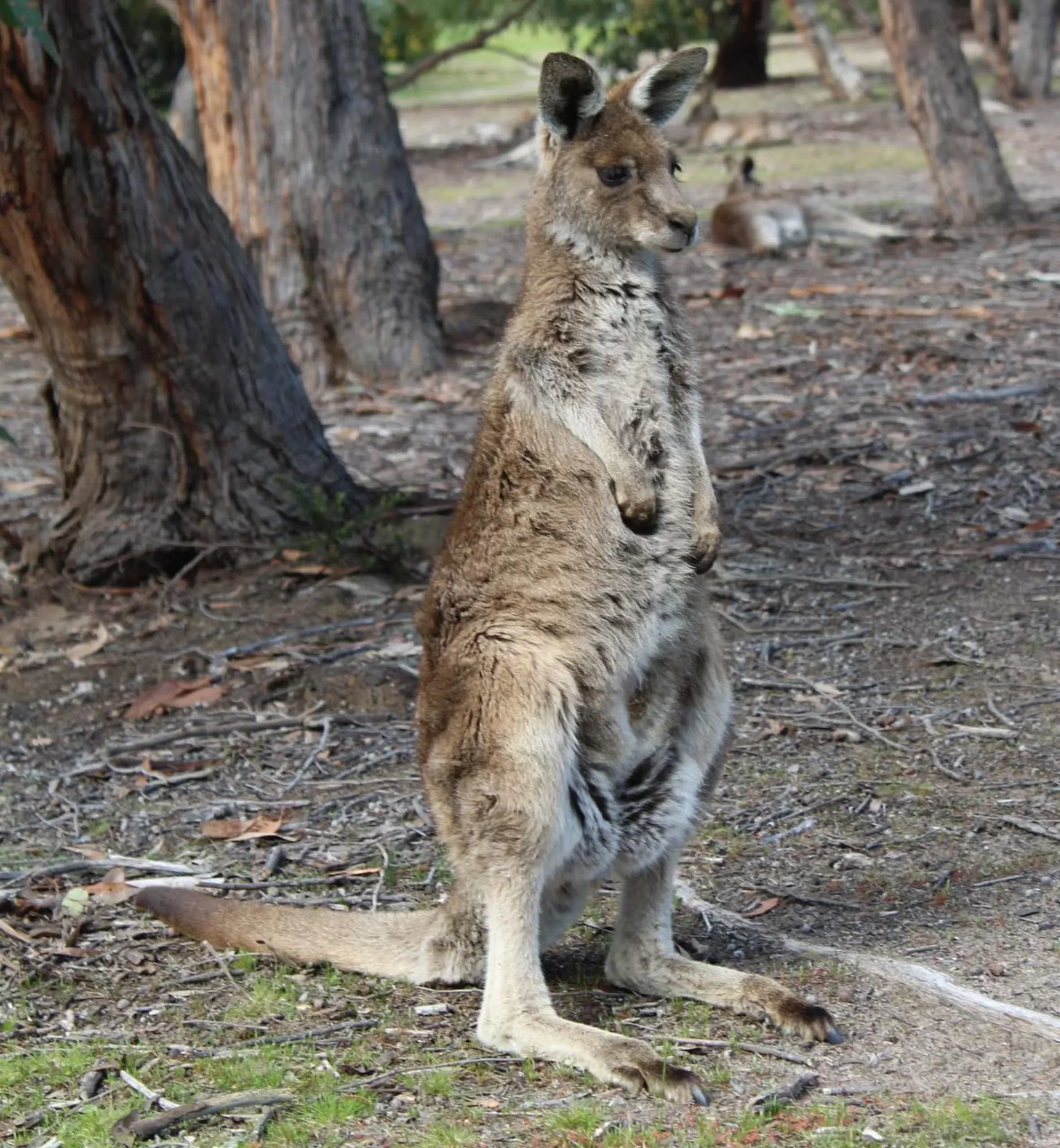
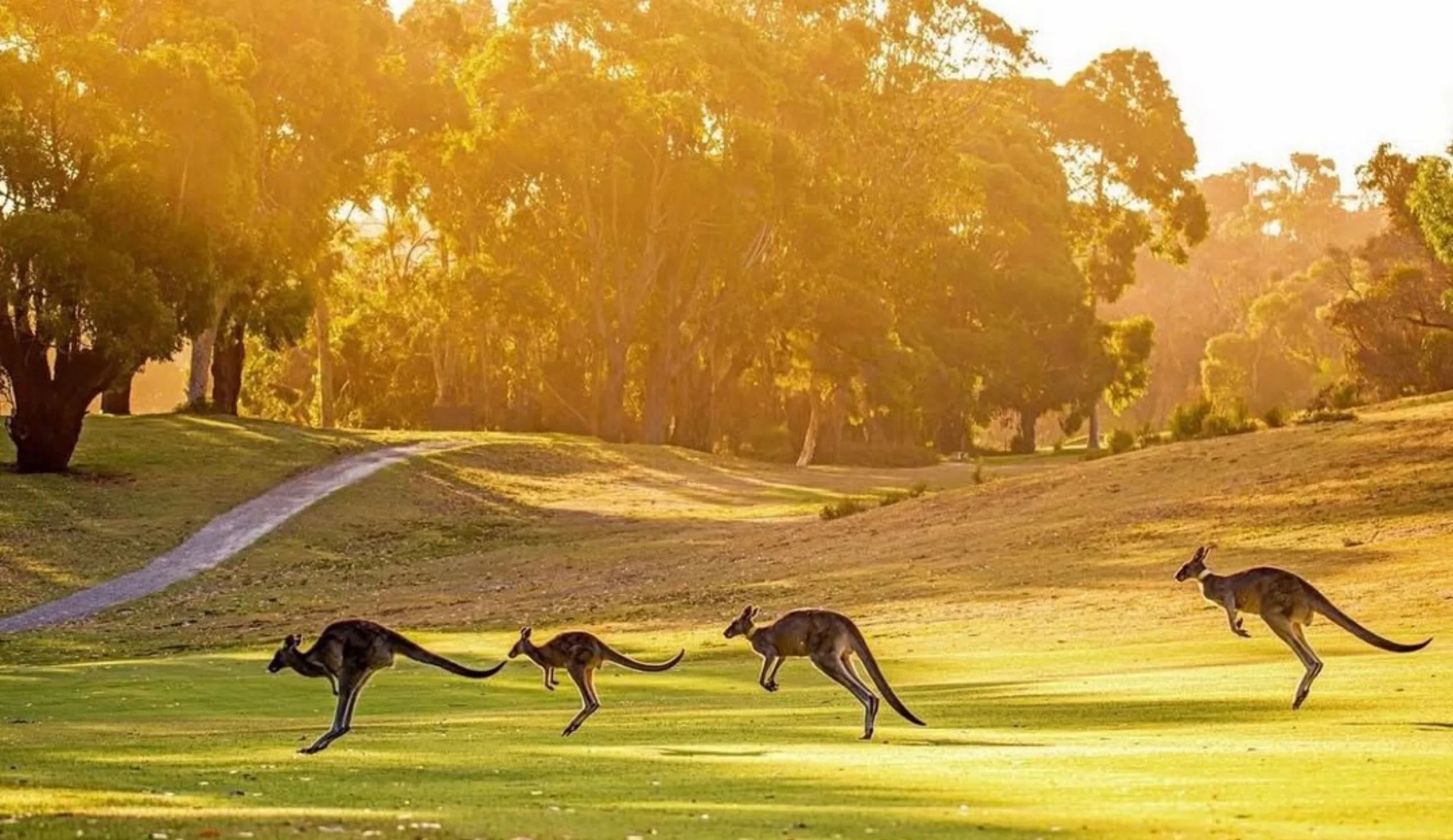
Kangaroos are most active at dawn and dusk. If you’re driving along the Great Ocean Road early in the morning or at sunset, you’ll have a better chance of seeing them grazing in open fields, near cliffs or hopping across the countryside.
Other Wildlife You May See
While kangaroos are the highlight, the Great Ocean Road is also home to:
- Koalas – Often in eucalyptus trees along Grey River, Kennett River and Wye River.
- Red-necked wallabies & swamp wallabies – These darker cousins of the eastern grey kangaroo can be seen near riverbanks and inland roads.
- Fairy Penguins – Best seen at Port Fairy and in the glow worm colony at Marriners Lookout.
- Fur seals & Australian fur seals – Often on offshore islands near Bay of Islands.
- Humpback whales & blue whales – Whale watching near Logans Beach is famous for these creatures, especially during the cooler months.
Tips for Kangaroo Spotting
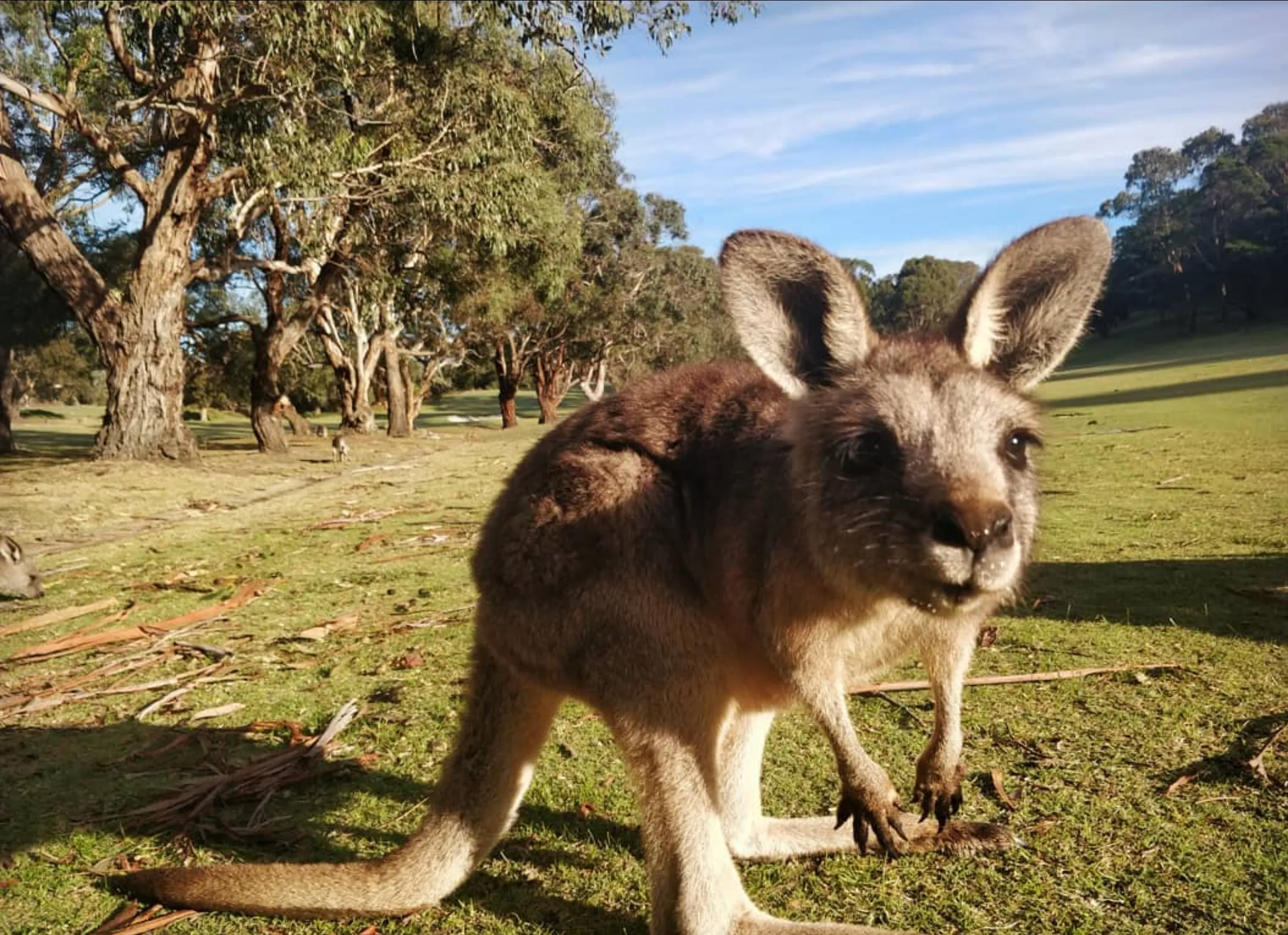
- Drive carefully at dawn and dusk – Kangaroos are most active at these times and can jump out in front of you.
- Be patient – Wildlife sightings are never guaranteed, but the more you look the better your chances.
- Visit wildlife reserves – Places like Tower Hill Wildlife Reserve and Anglesea Golf Club are good spots to see kangaroos.
- Respect wildlife – Keep a distance, no flash photography and never feed wild animals.
Conclusion
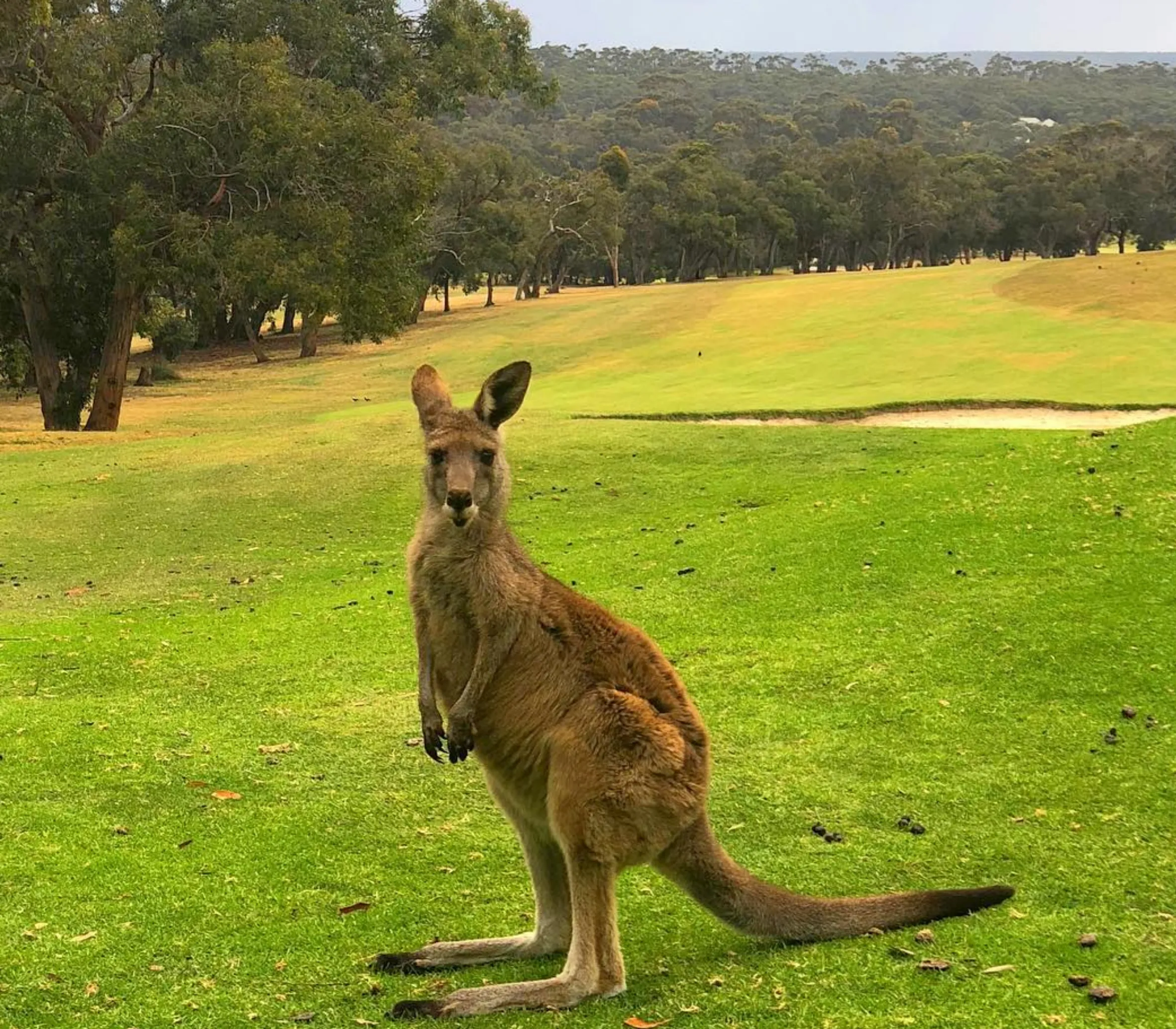
So you’re planning a Great Ocean Road road trip and hoping to see kangaroos? You’re in luck! With the right timing and location, you’ll definitely see them. Whether you’re stopping at a lookout, walking through ancient rainforest or enjoying the views from the Cape Otway Lighthouse, seeing kangaroos and other native animals is part of the magic of this Australian trip. Whether you drive yourself or join a Great Ocean Road tour, there are plenty of opportunities to see Australia’s amazing wildlife.
FAQ
Where is the best place to see kangaroos on the Great Ocean Road?
The most reliable places to see kangaroos are Anglesea Golf Club, Tower Hill Wildlife Reserve and Great Otway National Park. These areas have frequent kangaroo sightings, especially in the early morning and late afternoon.
Can I see kangaroos on a Great Ocean Road tour from Melbourne?
Yes! Many Great Ocean Road day tours from Melbourne include stops at wildlife hotspots like Tower Hill Wildlife Reserve and Cape Otway, where you can see kangaroos in their natural habitat.
What time of day is best for spotting kangaroos?
Kangaroos are most active at dawn and dusk. If you want to see them at their best, plan your sightseeing around these times.
Are there other animals to see on the Great Ocean Road?
Yes! You can see koalas, red-necked wallabies, swamp wallabies, fairy penguins, fur seals and even humpback whales during the migration season.
Can I feed or touch the kangaroos?
No, respect wildlife and observe from a distance. Feeding or approaching wild kangaroos can be dangerous and is discouraged to protect both the animals and visitors.