
The Great Ocean Road, 240km long along Australia’s southeastern coast, is more than just a scenic drive. It’s got cultural, historical and environmental significance and is one of our country’s most loved landmarks. This amazing road has stunning coastline views, dramatic landscapes and a connection to Australia’s history. From its coastal routes to its role as a memorial, the Great Ocean Road is an iconic route and a major tourist attraction. It’s one of the most famous roads in the world and gets thousands of tourists every year with its rugged coastline, sheer cliffs and adventure opportunities. Many visitors do a Great Ocean Road day tour from Melbourne to see it all in one hit, while others do a 3 day Great Ocean Road tour to explore the region.
A Memorial to World War I Soldiers
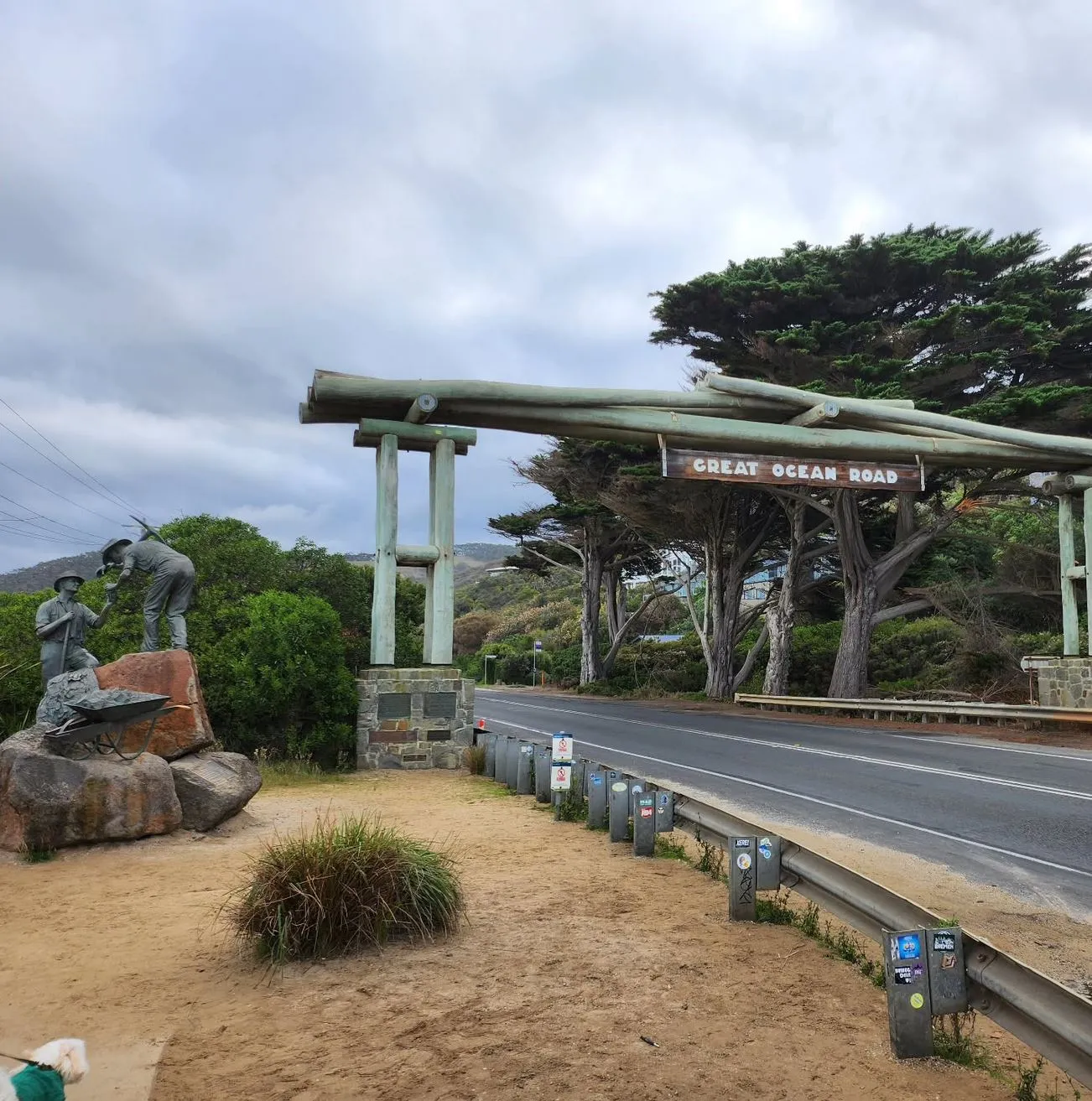
One of the most important aspects of the Great Ocean Road is its history. Built between 1919 and 1932 the road was constructed by World War I soldiers as a memorial to their mates who didn’t make it back. It’s the world’s largest war memorial, a symbol of sacrifice, resilience and national pride. This utilitarian memorial not only gave work to veterans but also connected isolated towns along the rugged coastline, making it a vital piece of community infrastructure in post-war Australia. The Memorial Arch along the road is a permanent exhibition of its history, a reminder to visitors of those who fought for their country.
Natural Wonders
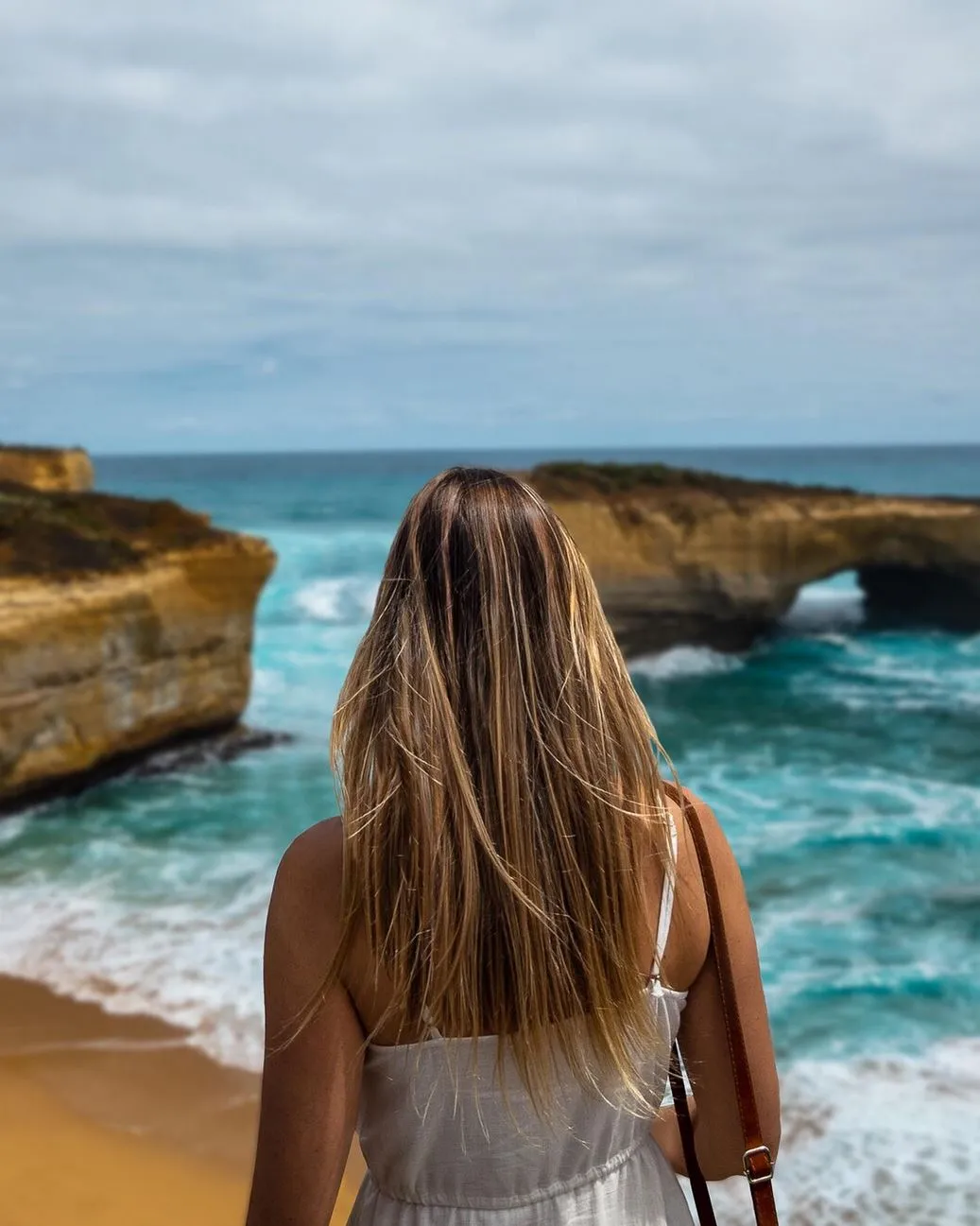
The Great Ocean Road is famous for its natural wonders, including the Twelve Apostles. These limestone cliffs along with Loch Ard Gorge, the Grotto and London Arch have been carved out over millions of years. The road runs along sheer cliffs, rocky cliffs and craggy cliffs, with dramatic views of the coastline. The coastline is a paradise for beach lovers with beautiful beaches and ocean views that make it one of the best coastal drives in the world. The surrounding landscape is national parks, ancient rainforests and forested landscapes, all of which add to the beauty of the area. Alongside the stunning coastline views, visitors can walk ancient rainforest trails to lookouts and hidden waterfalls. This road is not just a scenic drive; it’s an immersion into Australia’s most beautiful coastline. Travellers looking for a deeper experience book a Great Ocean Road tour to visit these landmarks with a guide.
Biodiversity and Conservation Areas
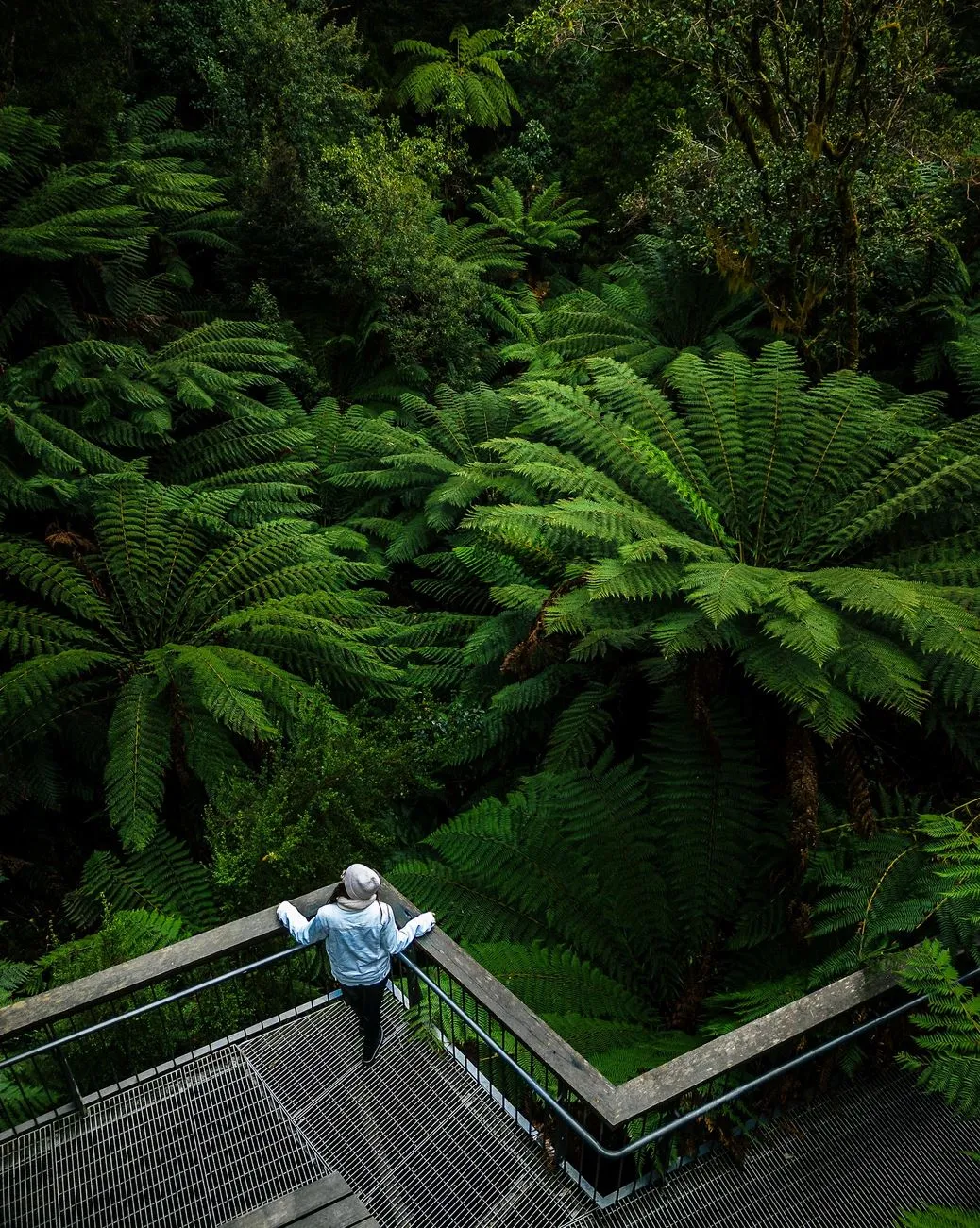
The road goes through diverse landscapes from forest to ancient rainforest trails with many wild life. The Great Otway National Park along the route is a koala, kangaroo and bird haven. It also accesses marine reserves that protect the region’s underwater ecosystems. The road goes through national parks and public land so nature lovers can explore. The geothermal water sources in some areas also add to the road’s uniqueness making it an adventure and ecological destination.
Adventure and Tourism Hub
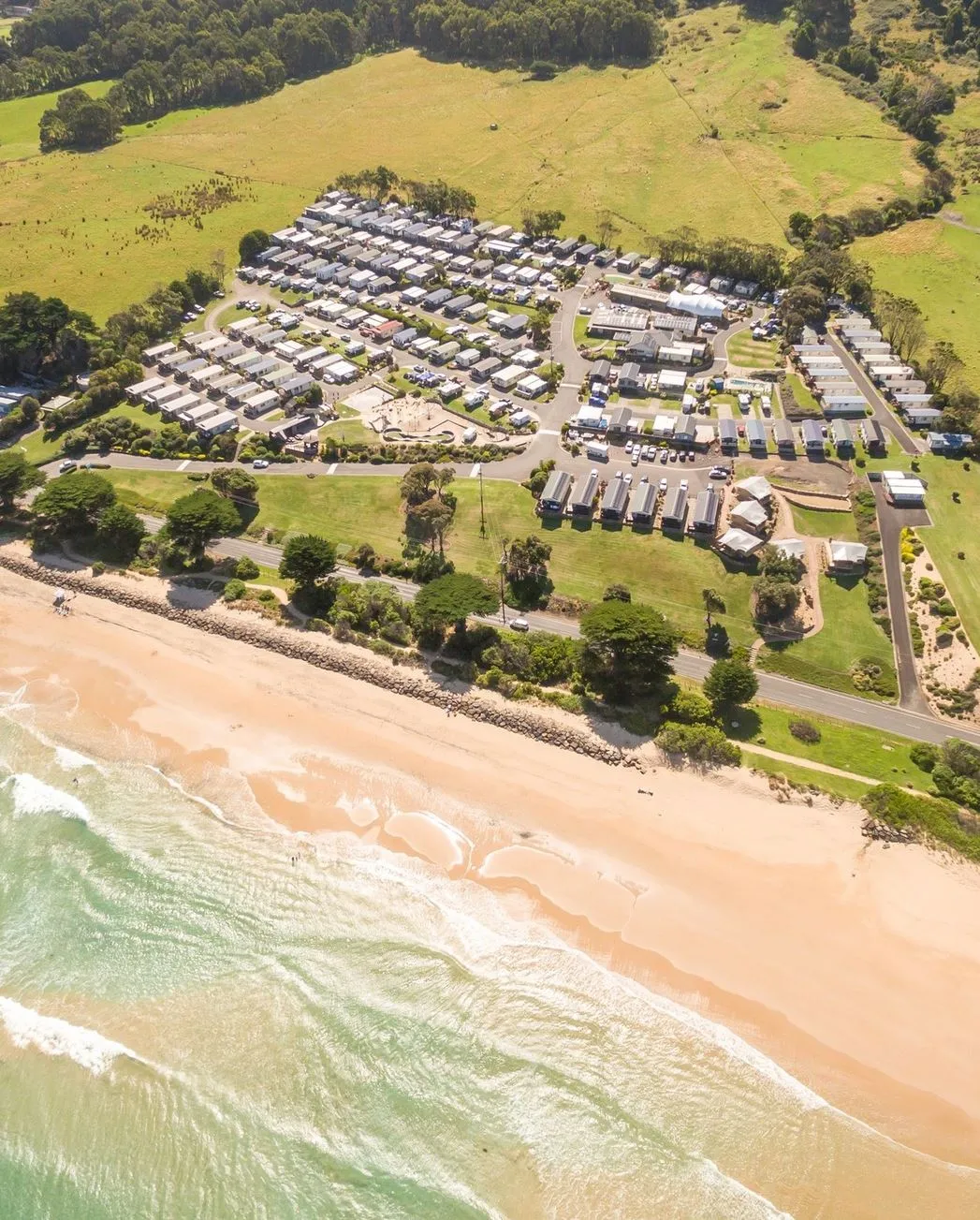
The Great Ocean Road is a major attraction for adventure seekers and those seeking coastal touring routes. Surfing at Bells Beach, hiking in the Otway Ranges, and whale watching in Warrnambool are just a few of the activities that attract thousands of tourists year round. The rugged cliffs and rocky coast are challenging but rewarding walks, and the dramatic cliffs and ocean views are unforgettable. Coastal towns like Lorne, Apollo Bay and Port Campbell have accommodation options from beachfront campsites to historic towns.
For those who love road trips this famous coastal road is full of opportunities to explore Australia’s south coast. The stretch of road goes through seaside towns, historic towns and coastal communities so many places to stop and experience local culture. Along the way, you can camp beachfront, enjoy ocean views and see dramatic landscapes that make this one of the best coastal touring routes in the world. Whether you go self-drive or join one of the many Great Ocean Road tours, you’ll find an experience like no other along this stunning coast.
Cultural and Indigenous Heritage
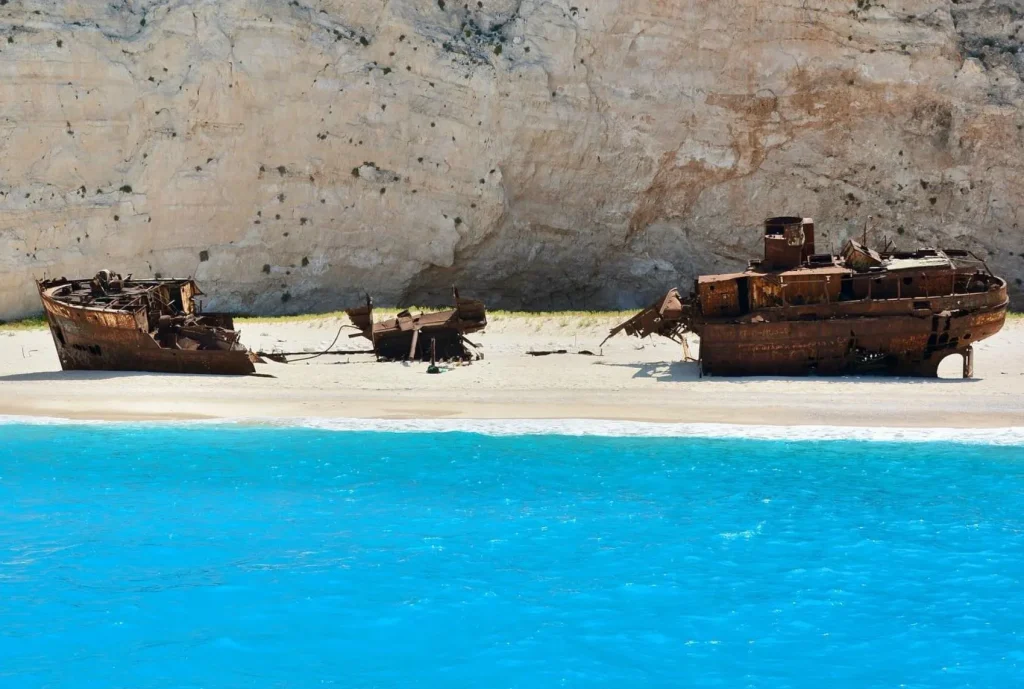
The region surrounding the Great Ocean Road has deep cultural significance for the Eastern Maar and Wadawurrung people. These Indigenous groups have lived in the area for thousands of years with sacred sites and Dreamtime stories connected to the land. Visitors can experience this Aboriginal history through guided tours and interpretive centres along the route. The road also has historic shipwrecks that tell the story of Australia’s maritime past. These shipwrecks combined with the area’s history and the road itself make a destination that’s natural beauty and historical significance.
Challenges of Construction
Building the Great Ocean Road was a big job with rough terrain, rough roads and cliffs along the southern coast. Approaching land and land rights were key to the road’s development. It was expensive but the end result is one of the most beautiful roads in the world. The project was initially funded by community events so it’s a true testament to the power of the Australian community. The road had to account for dramatic coastline features, rocky cliffs and rough weather conditions making it even tougher. Today it’s an iconic route that still inspires and connects people across generations.
FAQ
When is the best time to visit the Great Ocean Road?
The best time to visit is during the Australian spring (September to November) and autumn (March to May) when the weather is nice and the crowds are smaller. These seasons are perfect for sightseeing along this famous coastal road.
How long does it take to drive the whole Great Ocean Road?
4-5 hours without stops but it’s best to do it over 2-3 days to see the attractions, scenic roads and seaside towns along the way. There are plenty of accommodation options from beachfront campsites to charming towns with beautiful buildings and historic sites. If you’re short on time you can do a Great Ocean Road day tour from Melbourne which covers the highlights in one trip.
Are there any entrance fees for the Great Ocean Road?
No, there are no entrance fees to drive along the Great Ocean Road but some attractions and national parks may have separate admission fees. Many of the coastal towns along the way have free or low-cost activities so it’s a great option for budget travellers.
What are the must-see landmarks along the Great Ocean Road?
Twelve Apostles, Loch Ard Gorge, Bells Beach, Great Otway National Park, Memorial Arch and the historic towns along the way. The coastline with the views is one of the most beautiful coastal drives in the world. Other highlights include dramatic cliffs, isolated towns and natural wonders that make this drive one of Australia’s most beautiful coastal routes.
Can you camp along the Great Ocean Road?
Yes you can camp along the way at beachfront campsites and caravan parks, including in national parks and near attractions. Perfect for those who want to be surrounded by nature. With so many options, hotels in seaside towns and all, this is a great road for luxury travellers and adventure seekers.