
Picture this: you’re paddling alongside huge granite cliffs at Cape Woolamai, spotting the occasional dolphin dancing through the waves. From hidden sea caves to powerful reef breaks, Phillip Island’s rugged coastline is a kayaker’s dream. Whether you’re after a leisurely paddle through sheltered inlets to coves or a real adventure on the open water, there’s a kayaking experience here to suit every level of fitness and curiosity.
The island’s unique blend of environmental features — from Churchill Island’s historical buildings to the pristine islands offshore — sets the scene for unforgettable day sea kayak adventures. Throw in the Phillip Island Whales’ annual migration (timed perfectly for a photo opportunity) and you’ve got yourself a world-class paddling destination. And if you’re keen on guided experiences, check out local legends like Autopia Tours, which offer curated paddling tours and connections to the best local operators.
Paddling Highlights: Best Kayaking Spots on Phillip Island
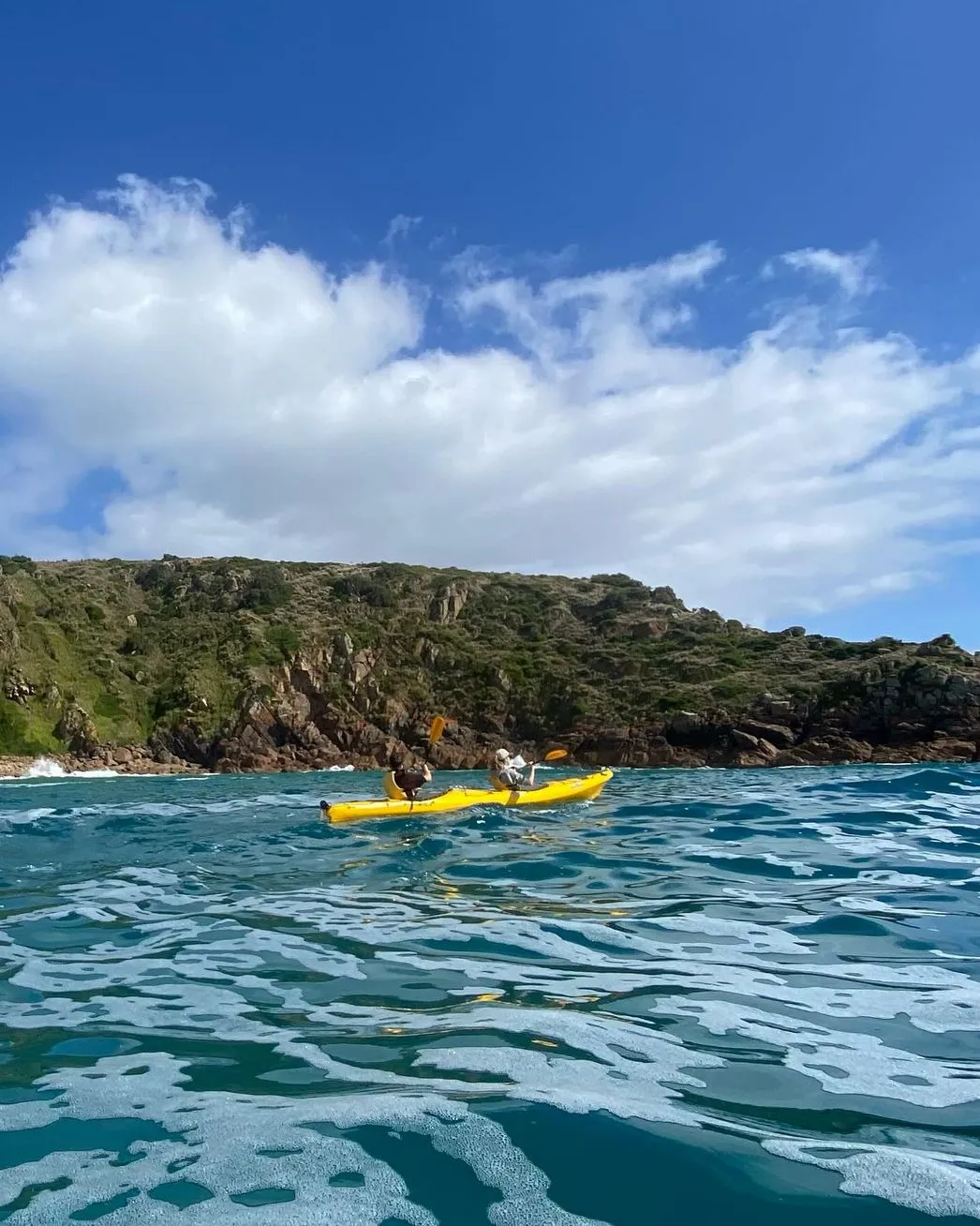
When I talk about Phillip Island kayaking, I’m talking about everything from calm inlets to rugged coastal waters. Let’s break down the best paddling locations — plus a few cheeky local tips from my own adventures.
Cowes Beach Phillip Island: Easy Launch for All Levels
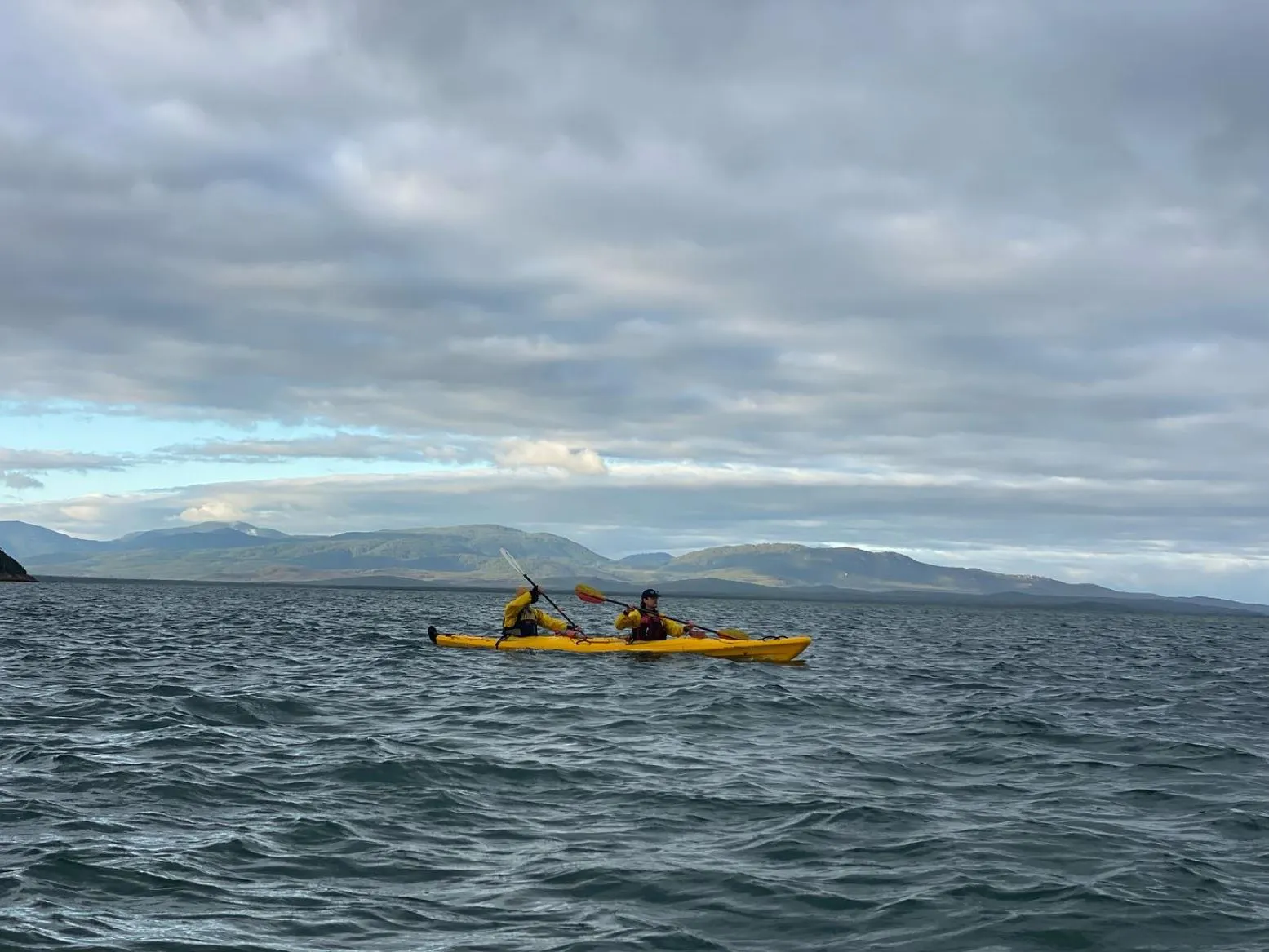
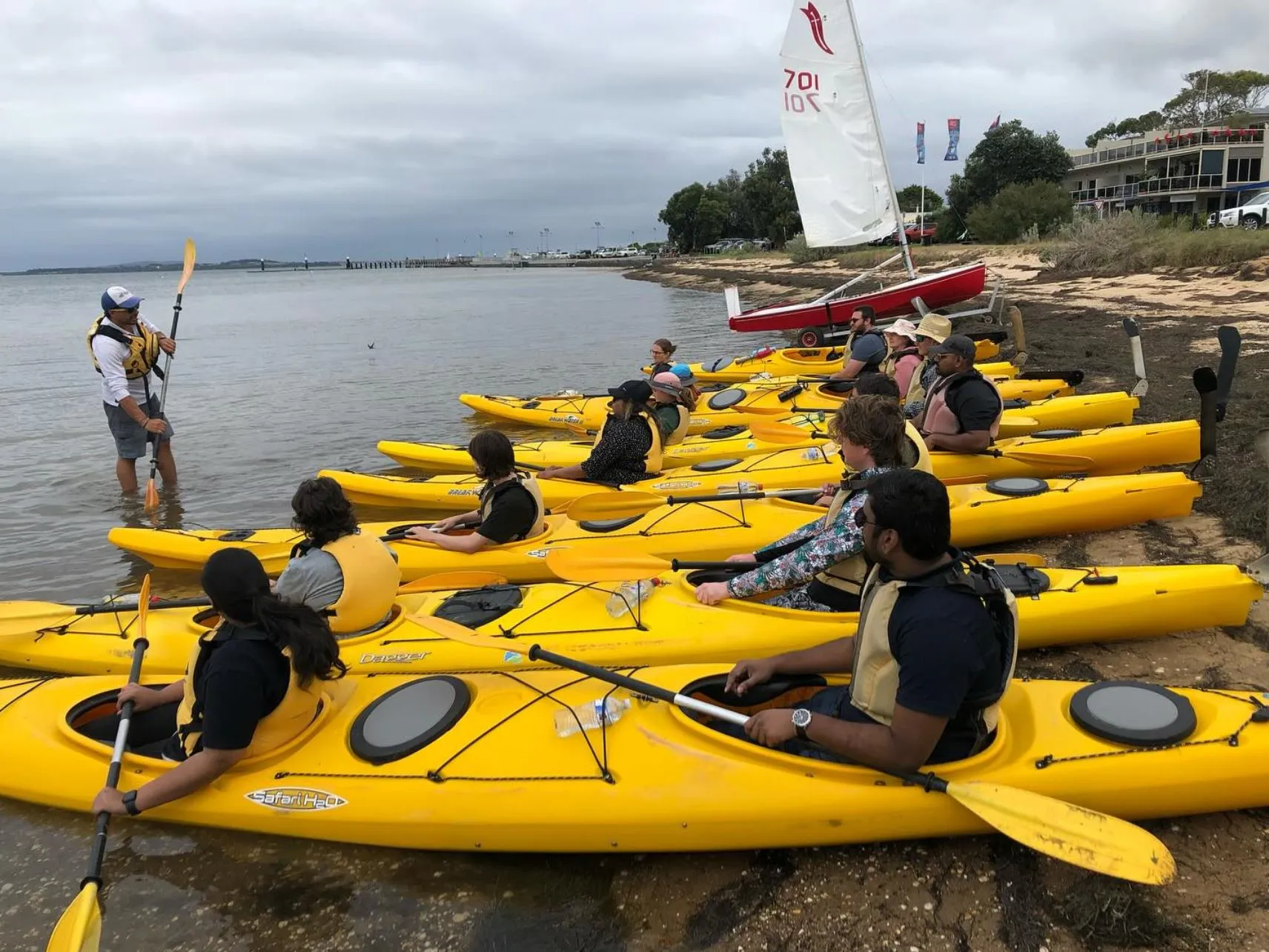
Starting at Cowes Beach, Phillip Island, you’ll find a sheltered stretch perfect for beginners and families. This is a top spot to get your paddle jacket zipped and your dry capsize drill dialled in before venturing further afield.
- Best For: Single kayaks, day paddles, leisurely paddles
- Facilities: Public toilets, car parks, kayak trailer access, cafes for lunch break
- Watch For: Jet skis, occasional dolphin sightings
Pro Tip: Chuck your water bottle in the dry bag, and don’t forget the paddle partner — safety in numbers, especially around the busy times.
Rhyll Inlet: Nature’s Playground
Rhyll Inlet, tucked behind the island’s north-east coast, is a protected gem. This is the place to spot black swans, spoonbills, and the occasional pod of dolphins.
- Best For: Birdwatchers, environmental enthusiasts
- Facilities: Parking at the end of McIlwraith Road
- Watch For: Shallow mudflats — ideal conditions at high tide
Storytime: I once spent a magical paddle here, drifting past mangroves as the sun rose — talk about a beautiful environment! Keep an eye on the forecast wind; things can get breezy.
Cape Woolamai Coastal Tour: Thrills for the Brave
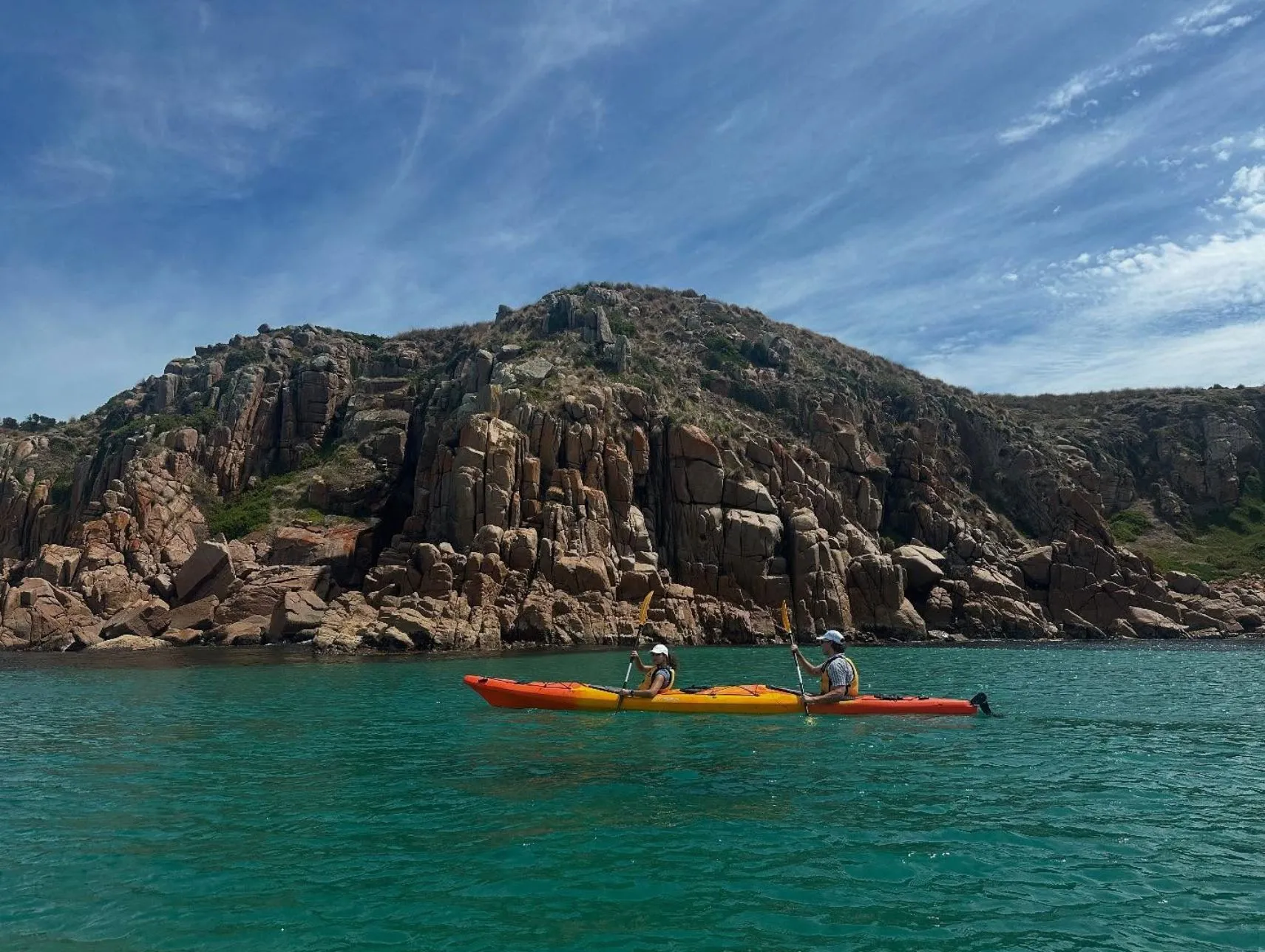
This is where Phillip Island shows its rugged side. With ever-changing world-class beach breaks and consistency of waves, Cape Woolamai is a playground for experienced paddlers and even experienced surfers who fancy a change of craft.
- Best For: Real adventure, experienced paddlers
- Facilities: Limited — depart from Cottosloe Avenue or Newhaven
- Watch For: Swell size, powerful reef breaks, ocean conditions
Pro Tip: Join a guided tour with Autopia Tours or local kayak guides like Pioneer Kayaking — they know the coastline by kayak better than anyone.
Ventnor Beach and Grossard Point: Sunset Paddle Paradise
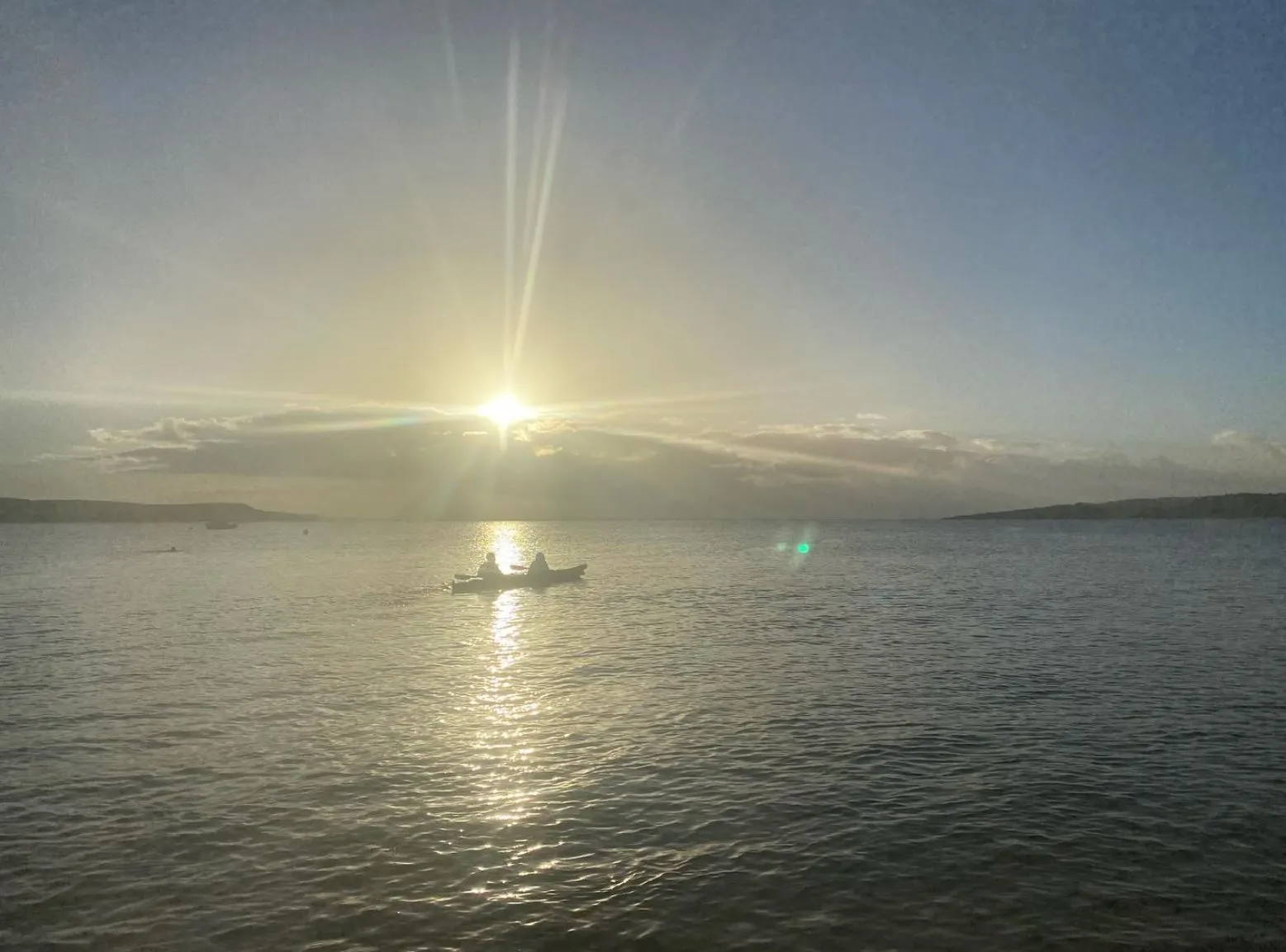
Looking for that sunset Instagram moment? Ventnor Beach is your go-to. The area’s beautiful coastline, plus a good chance of a pod of dolphins or seals, makes for a magical paddle.
- Best For: Families, sunset paddles
- Facilities: Sandy beaches, minimal facilities (bring all your own gear)
- Watch For: Tide changes; the ocean can drop quickly here.
Tip: Bring your camera — it’s a top spot for a kayak tour or even a cheeky day paddle.
San Remo and Phillip Island Bridge: Tidal Adventures
Underneath the iconic Phillip Island Bridge lies a channel that’s got plenty to offer. It’s a great region with day trips, thanks to easy access from both San Remo and Newhaven.
- Best For: Paddlers with medium fitness levels
- Facilities: Launch from San Remo boat ramp
- Watch For: Tidal surges — plan your trip with a forecast map and keep an eye on the forecast wind
And if you’re after a bite after your paddle? Grab fish and chips at San Remo, the island institution.
Gear Up: What You’ll Need for Kayaking Phillip Island
Before you hit the water, make sure your equipment is sorted. Here’s a no-fuss checklist:
- Single kayaks or double sea kayaks
- Paddle jacket and hat
- Dry bag for valuables
- Water bottle — essential on those longer day paddles
- Weather check — especially the forecast wind and forecast map
- Paddle partner or 1-2x sea kayak guides for group tours
- Kayak trailer if bringing your own craft
- Paddle boards or other personal kayaking equipment (optional)
And for the extra safety-minded: carry emergency communication equipment and be prepared with a dry capsize drill — the ocean can surprise even experienced paddlers.
Best Time to Paddle Phillip Island’s Beautiful Beaches
You’ll want to line up your adventure trip with the best conditions. Here’s the lowdown:
- Summer (Dec-Feb): Great for Island Surfboards Surf School and Phillip Island sea kayaking sessions — but watch for crowds.
- Autumn (Mar-May): Beautiful autumn weather and mellower waves; perfect conditions for kayaking experience and exploring inlets to coves.
- Winter (Jun-Aug): Rugged conditions — good for training with Kayak Australia or Pioneer Kayaking if you’re up for it.
- Spring (Sep-Nov): Stunning wildflowers, ideal conditions, fewer crowds, and the start of the annual whale migration.
Paddle Tours and Hire: Where to Book
- Autopia Tours: They’re the local legends running day sea kayak adventures with stops at the best locations around the island. Their partnership with local guides means you get a solid, safe kayaking experience — plus some great stories from the team.
- Pioneer Kayaking: Locally operated with programs for adults wishing to expand their skills — plus plenty of paddle training and kayak control tips.
- Island Surfboards: Known more for boards, but they’ve started offering kayak hire alongside surf lessons.
- Phillip Island Aquabikes and Phillip Island Flyboard: Great for families wanting to mix up their water activity day trip.
Remember: most operators require an indemnity form — make sure you sign before heading out.
Safety, Permits, and Environmental Considerations
- Permits: Most areas are open access, but always check Parks Victoria or Department of Education Victoria notices — especially around sensitive natural environments and historical buildings.
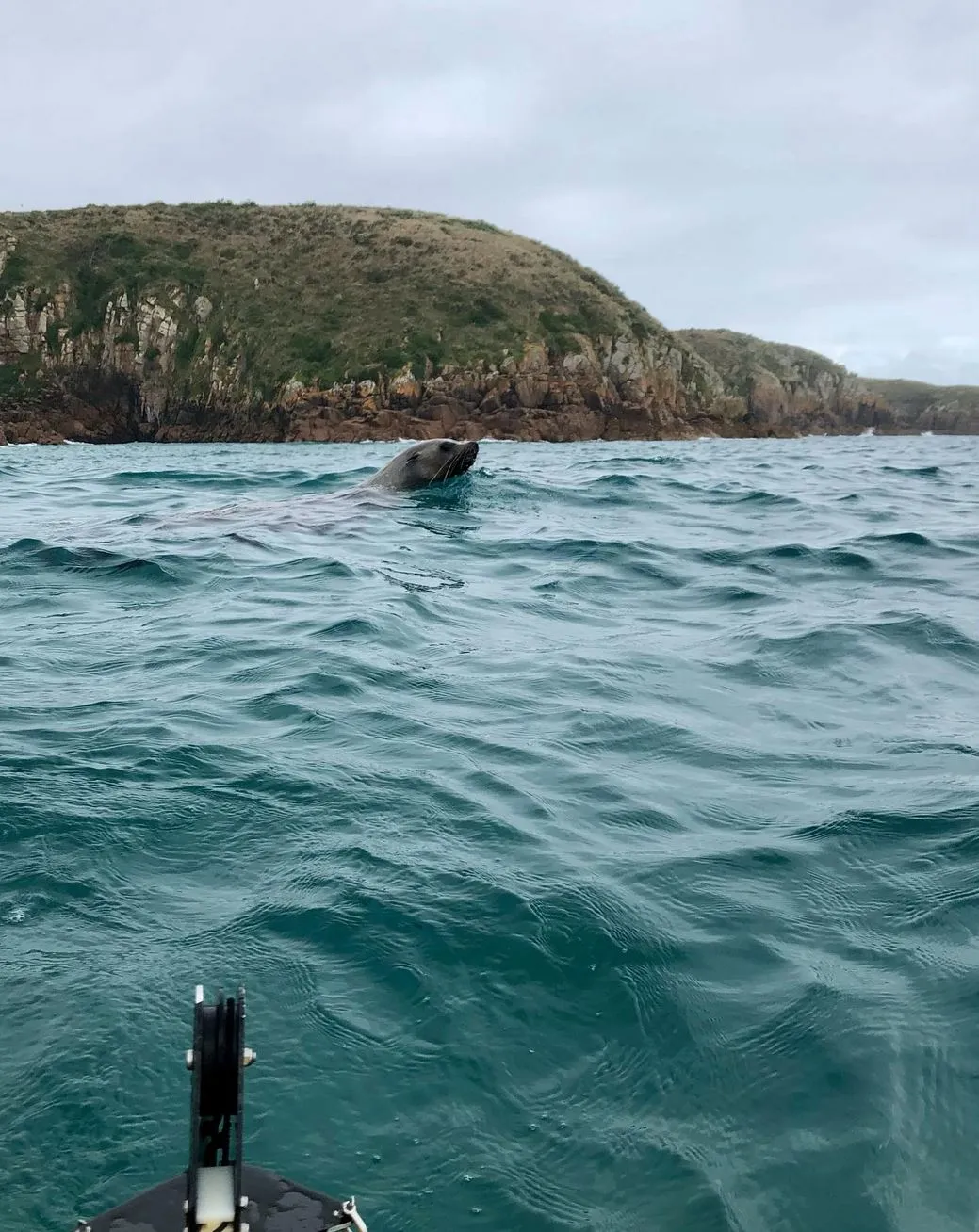
- Wildlife: Stay croc-wise even if the only crocs you’ll see are salty old locals. Look out for dolphins at the horizon for dolphins — always a highlight!
- Environmental Features: Churchill Island and Phillip Island Koala Conservation Reserve are worth a visit on land to complement your kayak adventure.
- Weather Conditions: Ocean conditions can shift fast — always check the forecast wind before you go.
- Paddle Australia: For serious kayakers, Paddle Australia offers kayak training, kayak experience days, and even a program of races for the competitive paddler.
Final Word: The Kayaking Experience You’ll Never Forget
Kayaking Phillip Island is about more than just a paddle — it’s a real adventure that blends nature, wildlife, and that rugged coastline you can only find down this way. Whether you’re drifting through Rhyll’s inlets to coves, challenging yourself at Cape Woolamai, or enjoying a leisurely paddle at Cowes, every trip is a chance to reconnect with the ever-changing environment.
Got a question about your next paddle or need help choosing the right spot? Chuck me a message — I’m always up for a yarn about where to find the best beach breaks or hidden sea caves. And if you want to make the most of your trip, give Autopia Tours a bell — they’ll set you up with the best kayak tours and even a few local secrets.
FAQ
1: Can I kayak solo at Cape Woolamai?
Yep, but it’s best left to experienced paddlers due to ocean conditions, powerful reef breaks, and the occasional big swell. A paddle partner or qualified sea kayak guide is recommended.
2: Are there kayak tours available?
Absolutely — Autopia Tours runs solid day sea kayak adventures, with options for single or double sea kayaks. It’s a top way to explore the beautiful coastline with expert guidance.
3: Do I need to bring my own equipment?
Not necessarily — local hire services offer everything from single kayaks to double sea kayaks, plus paddle jackets and even lunch spots on guided tours.
4: What wildlife might I see from my kayak?
Plenty! Dolphins, seabirds, and seals are common. With luck, you might spot the Phillip Island Whale during the annual whale migration.
5: Where’s the best lunch spot for a paddle day?
Cowes Beach or San Remo are top picks. Both offer easy access, parking, and great fish and chips for that lunch break.