
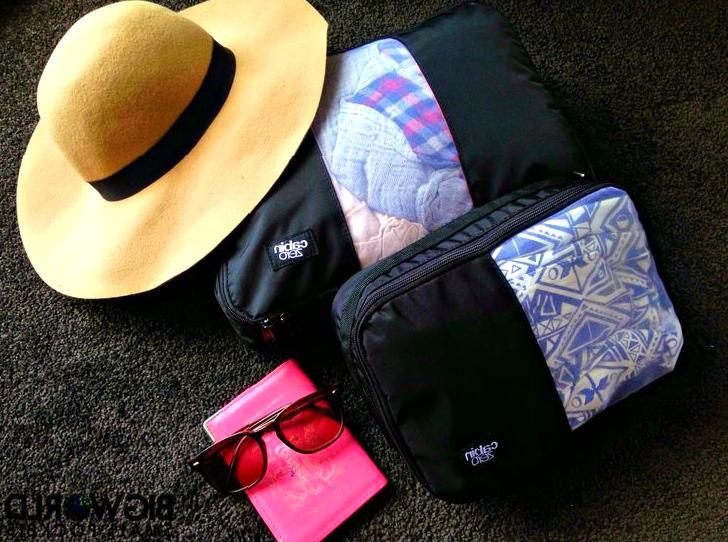
When planning a trip to Australia, creating the perfect packing list can be the difference between a smooth journey and a stressful one. This extensive guide will help you identify essential items to bring along based on Australia’s diverse climates, unique activities, and local customs. From clothing suited for the outback to beach essentials, we’ll cover everything you need to ensure you’re well-prepared for your Australian adventure. Whether you’re heading to the bustling cities, scenic coastlines, or the rugged outback, we’ve got you covered with this ultimate packing list.
Clothing Essentials
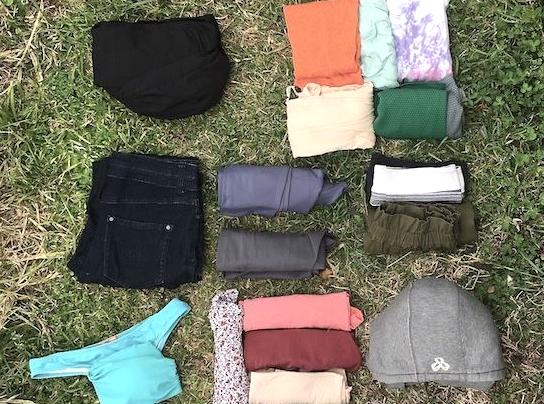
Australia’s climate varies dramatically from the northern tropical regions to the cooler southern parts, so your clothing choices should reflect this diversity. Here’s a brief list of must-have clothing items:
- Lightweight, breathable shirts and tops
- Comfortable shorts and well-fitted trousers
- A warm jacket for cooler evenings
- Swimwear for beach outings
- Footwear including sandals, hiking boots, and casual shoes
- Hats and sunglasses for sun protection
When selecting your clothing, prioritize comfort and functionality. Quick-dry fabrics are ideal for hikes or beach days, while layers can help you adapt to changing temperatures, especially if you’re traveling between regions. Don’t forget to pack a pair of flip-flops for lounging, and ensure you have a sun hat if you’re planning outdoor activities, as UV levels can be high in Australia.
Toiletries and Health Supplies
It’s important to stay clean and healthy while traveling, so make sure to pack a comprehensive set of toiletries. Full-sized bottles can be cumbersome, so consider travel-sized options for the following items:
- Shampoo and conditioner
- Body wash or soap
- Toothbrush and toothpaste
- Deodorant
- Sunblock, with high SPF is recommended
- Insect repellent, particularly if you’re venturing into bushland
While many toiletries can be found at local stores in Australia, it’s best to have your essentials readily available upon arrival. Pay particular attention to sunscreen and insect repellent, as sunburn and insect bites can put a damper on your vacation. Additionally, consider carrying a small first-aid kit with band-aids, antiseptic wipes, and any prescription medications you may need.
Travel Documents and Money
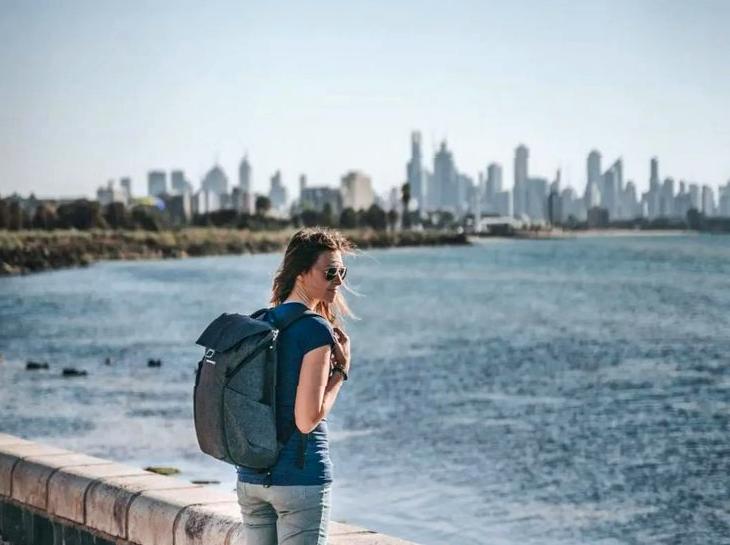
Preparation also extends to your travel documents and finances. Start by ensuring your passport is valid for at least six months beyond your intended departure date. Here’s a checklist for documents you should carry:
- Passport and copies of important identification
- Travel itinerary and accommodation confirmations
- Travel insurance documents
- Credit/debit cards and some Australian currency
- Driver’s license, especially if you plan to rent a car
Having digital and physical copies of these documents can be a lifesaver if you lose anything. Make sure to inform your bank of your travel plans to avoid issues with card usage abroad. Cash may still be used in many places, particularly in rural areas, so it’s good to have a small amount on hand. Always keep your important documents in a secure, easily accessible place during your travels.
Gadgets and Entertainment
In today’s tech-driven world, bringing along gadgets can enhance your travel experience. Here’s a shortlist of recommended electronic items to consider:
-
- Smartphone and charger
- Camera for capturing picturesque moments
- Portable power bank for charging devices on the go
- Noise-canceling headphones for long flights or bus rides
- Kindle or e-reader loaded with books for leisure reading
A smartphone is not only useful for communication but also for navigation and finding local hotspots. A good camera will help you take stunning photos of the breathtaking landscapes and wildlife unique to Australia. For those enjoying long travel times, headphones and an e-reader will provide entertainment and a chance to unwind. Don’t forget your chargers, as staying connected is essential.
Outdoor Gear and Accessories
If your itinerary includes outdoor activities—like hiking, swimming, or camping—be sure to pack the appropriate gear. Your outdoor essentials might include:
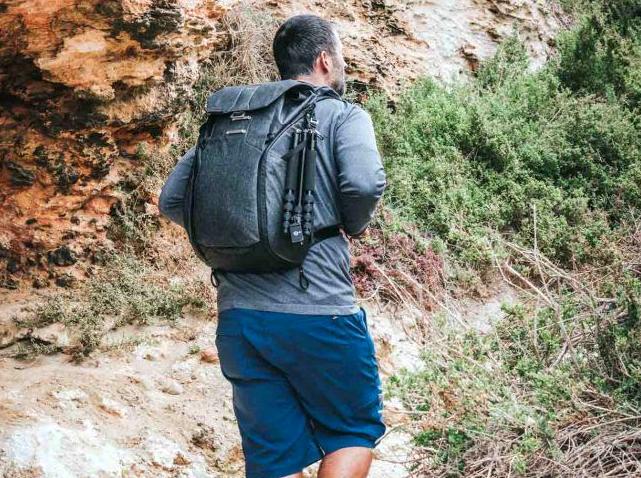
- Sturdy backpack for day hikes
- Reusable water bottle for hydration
- Binoculars for wildlife watching
- Snorkeling gear if you’re exploring the Great Barrier Reef
- Lightweight rain jacket and dry bags for wet weather
Equipping yourself with the right outdoor gear can significantly uplift your experience. A sturdy and comfortable backpack holds all your essentials, while a reusable water bottle aids in hydration, especially during hikes. With Australia’s stunning landscapes and wildlife, binoculars can enhance your adventure, and snorkeling gear can take your beach days to the next level. Ascertain that your gear is compact and lightweight to facilitate easy transportation.
Conclusion
Embarking on an adventure in Australia can be one of the most exhilarating experiences of your life. From the clothing and toiletries to travel documents and outdoor gear, packing wisely ensures that you won’t be caught off-guard by unexpected elements while you explore this stunning country. Tailor this ultimate packing list to your personal preferences and the specific activities you have planned. By being prepared, you can ensure that your trip is enjoyable, safe, and filled with unforgettable experiences.
FAQs
Your clothing choices should reflect the local climate, so bring breathable fabrics, swimwear, and layers for cooler evenings. Always include a sun hat and sunglasses for sun protection.
2. Is it necessary to have travel insurance for Australia?
Yes, travel insurance is strongly recommended. It can cover unexpected events such as medical emergencies, trip cancellations, or lost belongings.
3. Can I use my phone in Australia?
Most international phones can be used in Australia, but check with your provider for international roaming plans. Purchase a local SIM card if you’re staying for an extended period.
4. Are there any health precautions I should take before traveling?
It’s advisable to check with your healthcare provider for any recommended vaccinations or health precautions specific to Australia. Carry a basic first-aid kit for minor injuries.
5. What’s the best way to get around in Australia?
Australia has various transport options, including domestic flights, buses, and rental cars. Public transport in cities is efficient, while renting a car is great for exploring the countryside.