
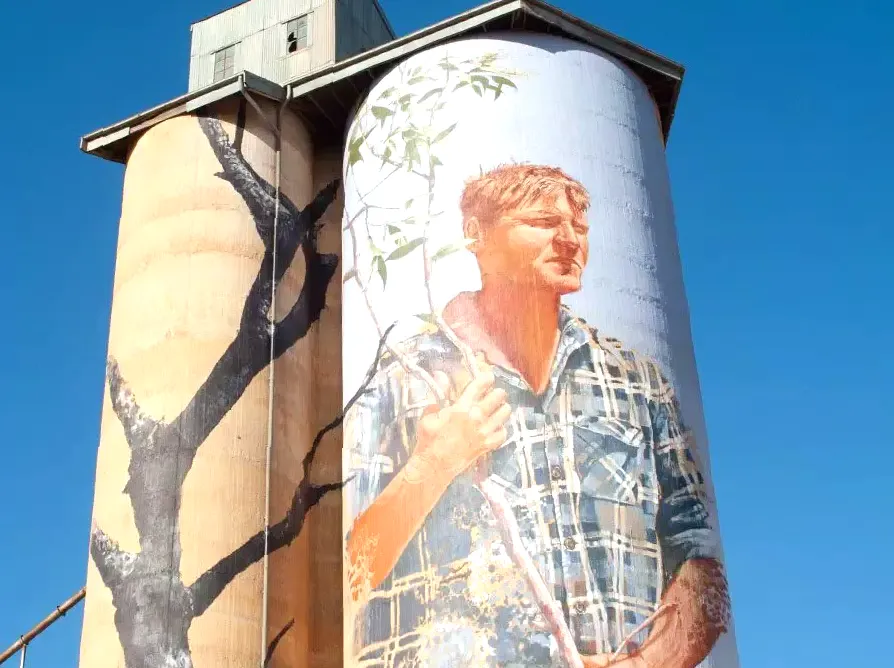
Australia boasts an array of breathtaking outdoor art galleries that harmoniously blend culture, nature, and creativity. From urban landscapes filled with vibrant street art to serene installations nestled within national parks, these outdoor galleries provide a unique experience for both art enthusiasts and casual visitors. The diverse artistic expressions found across the continent celebrate Australia’s rich cultural heritage while showcasing contemporary works that challenge and inspire. In this article, we will explore some of the most iconic outdoor art galleries you can experience in Australia and what makes them truly special.
The Evolution of Outdoor Art in Australia
Outdoor art in Australia has evolved significantly from traditional Aboriginal rock art to contemporary sculptures and street art. The incorporation of Aboriginal art into public spaces celebrates the rich heritage of Indigenous peoples and their long-standing connections to the land. Over time, urban areas have transformed into canvases for street artists, reflecting social issues, cultural narratives, and personal expressions. This evolution has paved the way for established art festivals like the Gertrude Street Projection Festival and the Sydney Festival, which invite artists to showcase their works in outdoor settings. Furthermore, cities such as Melbourne and Brisbane have embraced public art initiatives, allowing residents and tourists alike to engage with art outside the confines of traditional galleries. As these outdoor exhibitions continue to flourish, they provide a platform for diverse voices and innovative ideas.
Top Outdoor Art Galleries to Explore
-
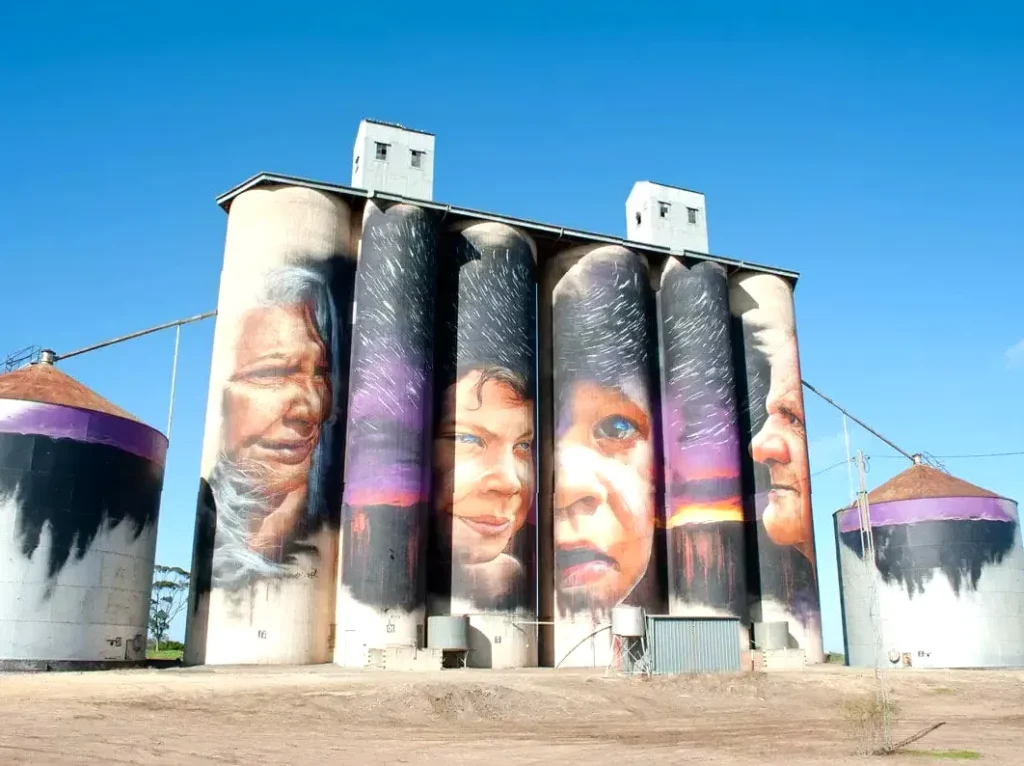
- Melbourne’s Laneways: The laneways of Melbourne are perhaps the most famous outdoor art galleries in Australia. These narrow streets boast stunning murals, graffiti, and street art that transform the urban landscape into a vibrant visual narrative.
- Bondi Beach’s Sculptures by the Sea: This annual exhibition features breathtaking sculptures displayed along the coastal walk from Bondi to Tamarama. It attracts artists from around the world, showcasing how art interacts beautifully with nature.
- Brisbane’s South Bank: The South Bank Cultural Precinct is home to various outdoor installations and events that celebrate art, culture, and the community. Frequent art events and installations create a dynamic environment for visitors.
- Canberra’s National Gallery of Australia Sculpture Garden: The Sculpture Garden features works by renowned Australian and international artists amidst beautifully landscaped gardens, offering a serene experience.
- Norfolk Island’s Outdoor Galleries: On Norfolk Island, visitors can explore outdoor art, including numerous stone carvings and sculptures that tell the island’s history.
Each of these outdoor galleries not only showcases remarkable art but also enhances the experience through their unique natural settings, making them must-visit locations.
Community Engagement and Cultural Significance
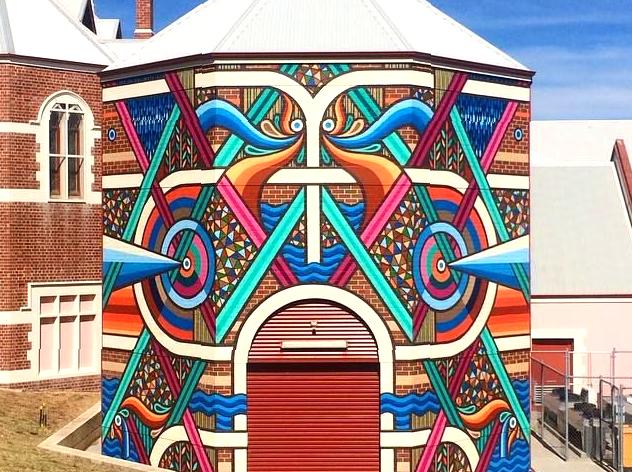
The significance of outdoor art in Australia goes beyond mere aesthetics; it plays a crucial role in community engagement and cultural expression. Many outdoor art initiatives involve local communities in the creation process, fostering a sense of ownership and pride. Programs such as community mural projects and public sculptures are designed to reflect the identity and stories of the neighborhoods they inhabit. Moreover, outdoor art encourages social interactions, providing spaces where people can gather, converse, and explore creative ideas. Events such as the annual “Big hART” project bring artists together to work with marginalized communities, using art as a tool for social change. This combination of art and community-building reinforces the importance of cultural narratives while making art accessible to everyone.
Benefits of Experiencing Outdoor Art
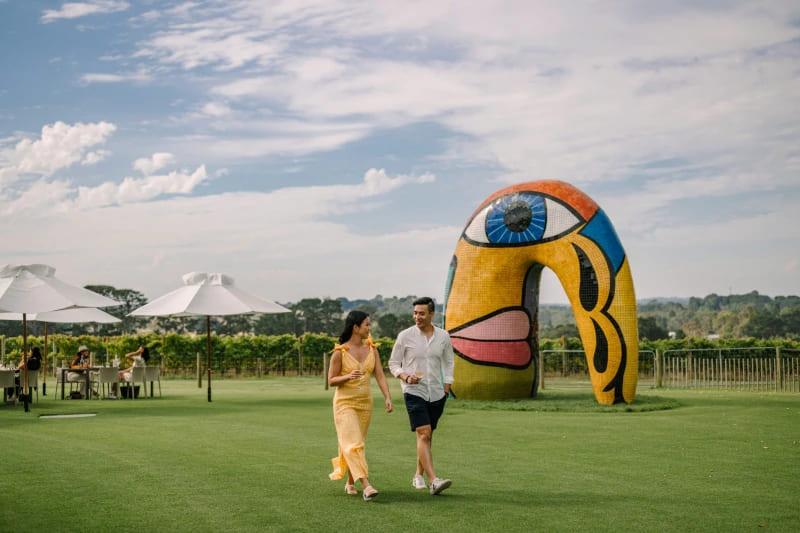
Experiencing outdoor art offers numerous benefits that enhance not only personal enjoyment but also community and cultural appreciation. Here are some significant advantages:
- Accessibility: Unlike traditional galleries that may have limited hours, outdoor art spaces are accessible to everyone at any time, promoting inclusivity.
- Connection with Nature: Many outdoor installations are set in natural environments, allowing viewers to enjoy the interaction between art and the natural world.
- Cultural Education: Outdoor art often reflects the cultural history and narratives specific to the area, providing educational insights into various communities.
- Promotion of Local Artists: These settings often highlight and promote local artists, giving them a platform to showcase their talent to a wider audience.
- Encouraging Exploration: Environmental aspects encourage visitors to traverse new areas, making the experience of viewing art a more interactive adventure.
By engaging with outdoor art, individuals can enrich their understanding of cultural contexts and history while enjoying the beauty of their surroundings.
Conclusion
Australia’s spectacular outdoor art galleries offer an impressive blend of creativity, culture, and connection to nature. From the bustling streets of Melbourne to the breathtaking beaches of Bondi, each location provides a unique experience that showcases the richness of artistic expression. These outdoor spaces not only invite exploration and appreciation of art but also foster community engagement and cultural awareness. As outdoor art continues to thrive across Australia, it remains a powerful testament to the dynamic relationship between society and creativity, encouraging everyone to partake in this enriching journey. Whether you are a local or a traveler, immersing yourself in these artistic landscapes is an experience that should not be missed.
FAQs
Some of the best outdoor art galleries include Melbourne’s Laneways, Bondi Beach’s Sculptures by the Sea, Brisbane’s South Bank, Canberra’s National Gallery of Australia Sculpture Garden, and Norfolk Island’s various stone carvings.
2. Are outdoor art exhibitions free to visit?
Most outdoor art exhibitions are free to the public, allowing easy access for both locals and tourists to appreciate the artworks without any admission fees.
3. Can I participate in creating outdoor art projects?
Yes, many community art projects invite local residents to participate, offering workshops or collaborative opportunities for individuals to contribute to public art installations.
4. What is the significance of outdoor art in Australian culture?
Outdoor art plays a significant role in celebrating cultural heritage, fostering community identity, and encouraging social interaction, while making art accessible to a broader audience.
5. When is the best time to visit outdoor art galleries in Australia?
The best time to visit is generally during spring (September to November) and autumn (March to May) when the weather is mild, making it pleasant to explore outdoor spaces.